
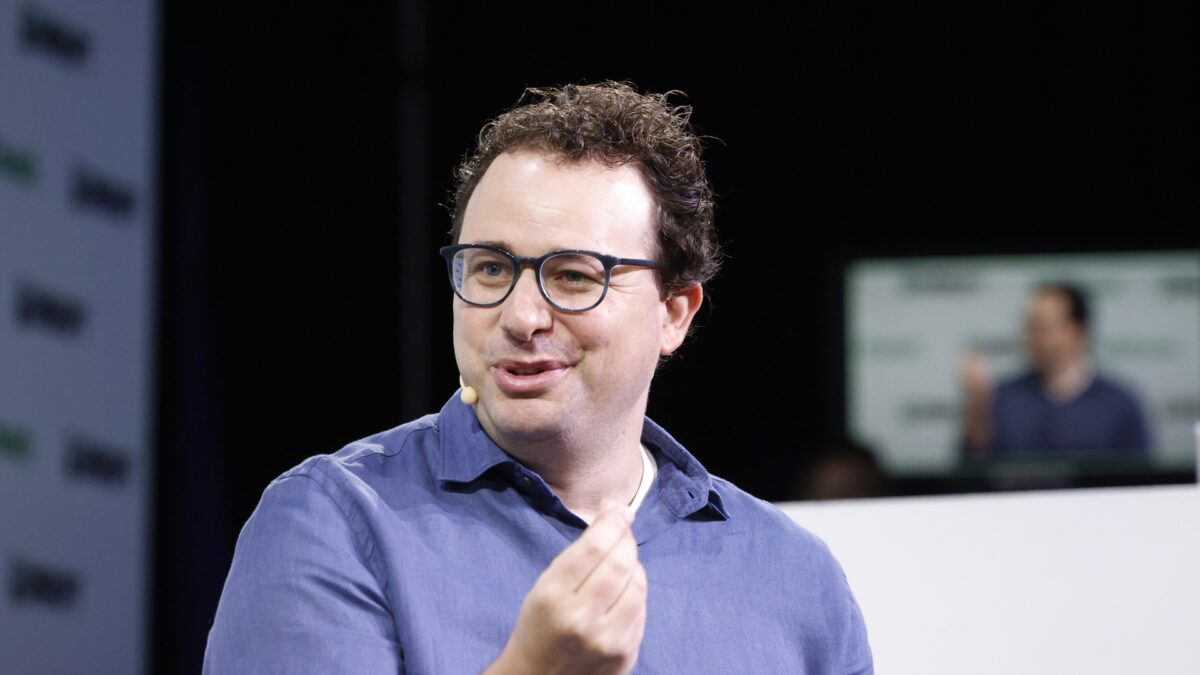
Deconstructing the Multi-Agent Orchestration Tax: Why Autonomous Runtimes Fail at Scale
Marcus Thorne analyzes the hidden latency, token bloat, and coordination overhead of autonomous agent runtimes in production enterprise systems.
Multi-agent orchestration, deterministic state machines, tool use, and autonomous enterprise workflows.
Marcus Thorne analyzes the hidden latency, token bloat, and coordination overhead of autonomous agent runtimes in production enterprise systems.
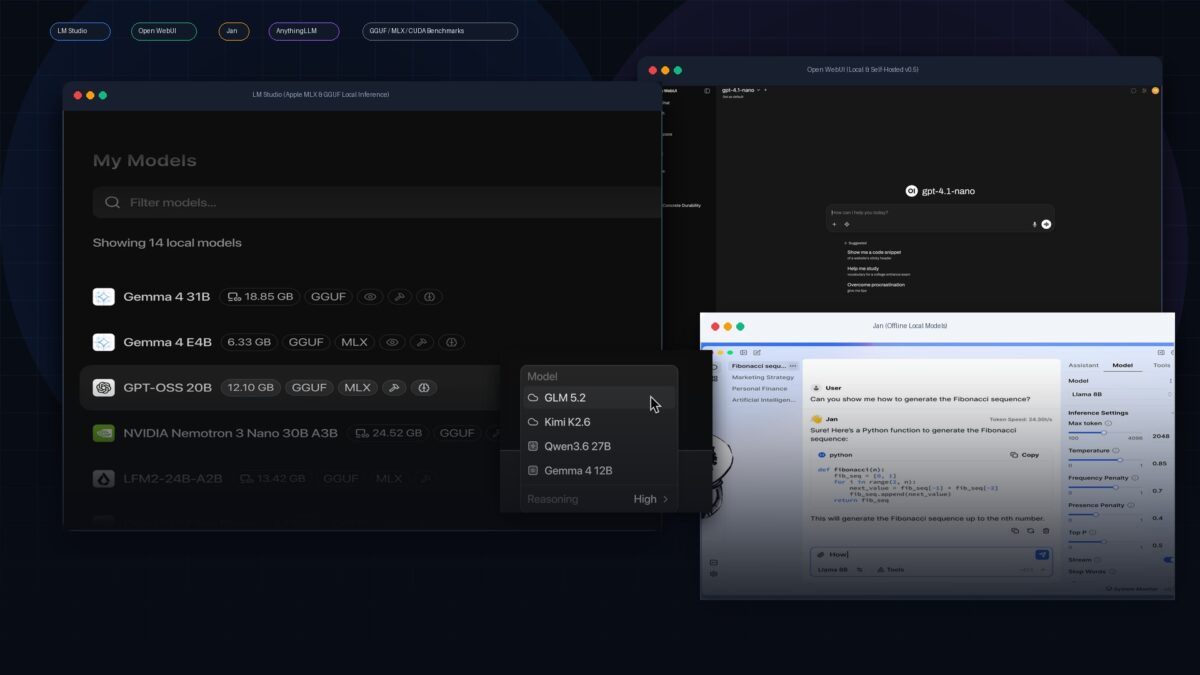
Marcus Thorne analyzes state synchronization limits, race conditions, and memory overhead in production-grade Model Context Protocol deployments.
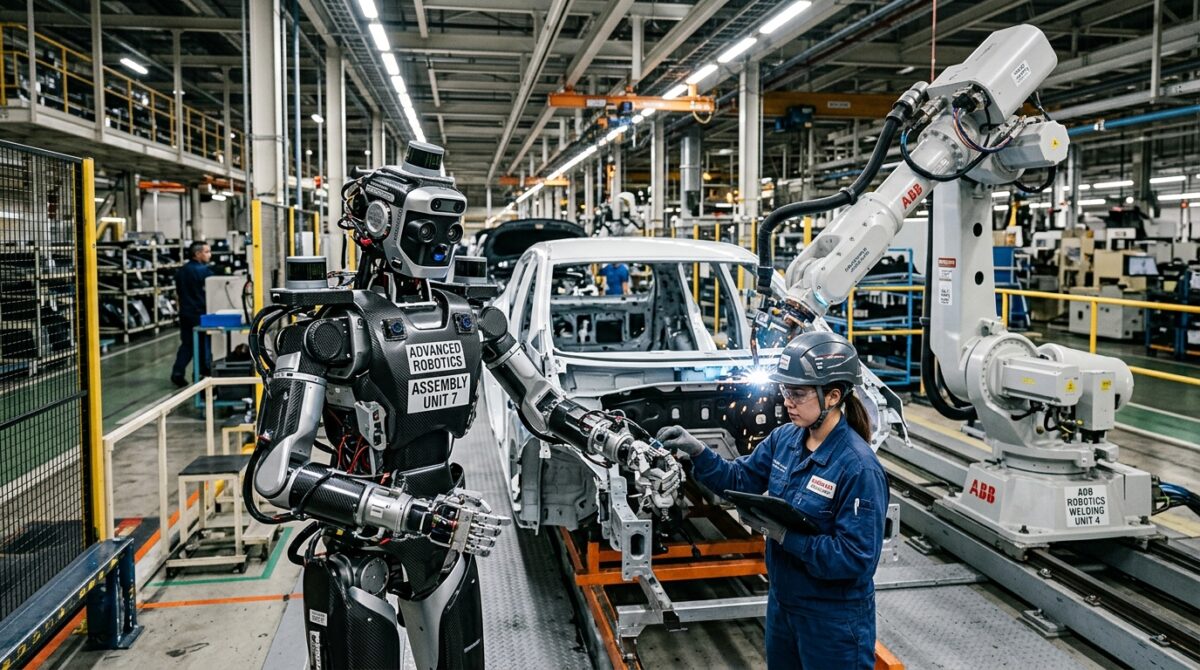
Marcus Thorne analyzes the production realities of multi-agent runtimes, model context protocols, and high-frequency sub-agent orchestration in 2026.

Marcus Thorne exposes the operational limits of Model Context Protocol (MCP) in 2026 multi-agent runtimes, analyzing latency walls and memory decay.
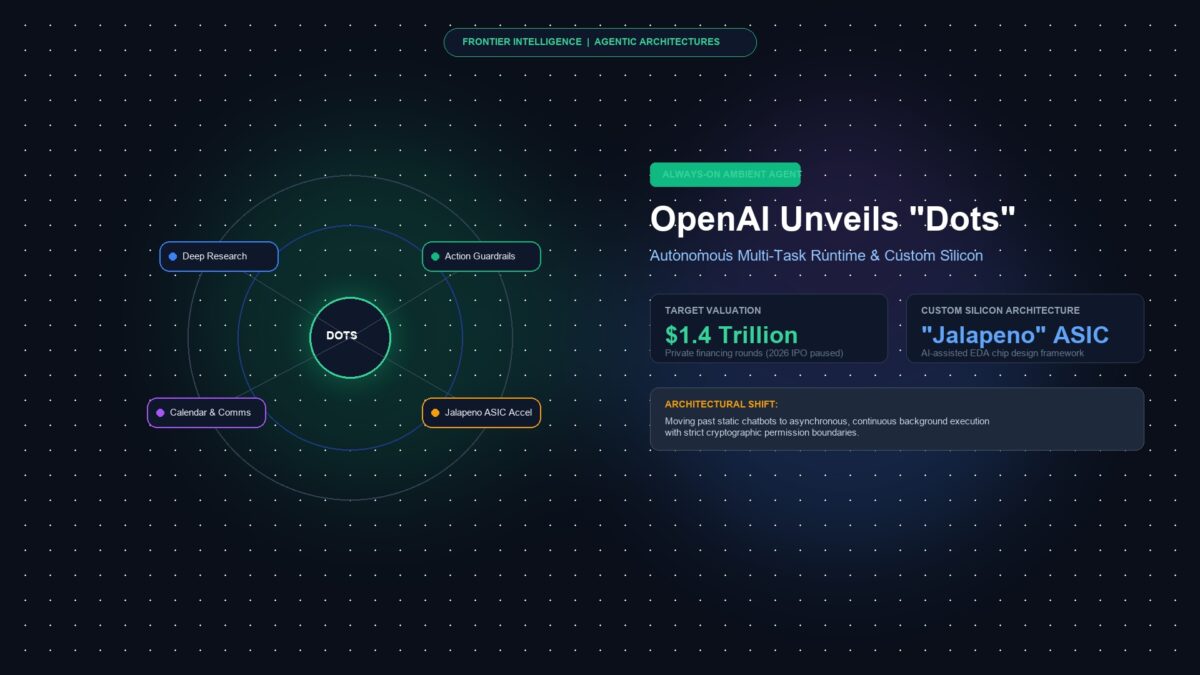
Marcus Thorne analyzes the architectural shift from monolithic LLM contexts to Model Context Protocol micro-agents, detailing production failure modes.

Marcus Thorne dissects the breaking points of Model Context Protocol at scale, analyzing state divergence, P99 latency penalties, and orchestration bottlenecks.

A hands-on analysis of Model Context Protocol (MCP) runtimes, sub-agent orchestration, and the hidden networking bottlenecks breaking multi-agent systems.
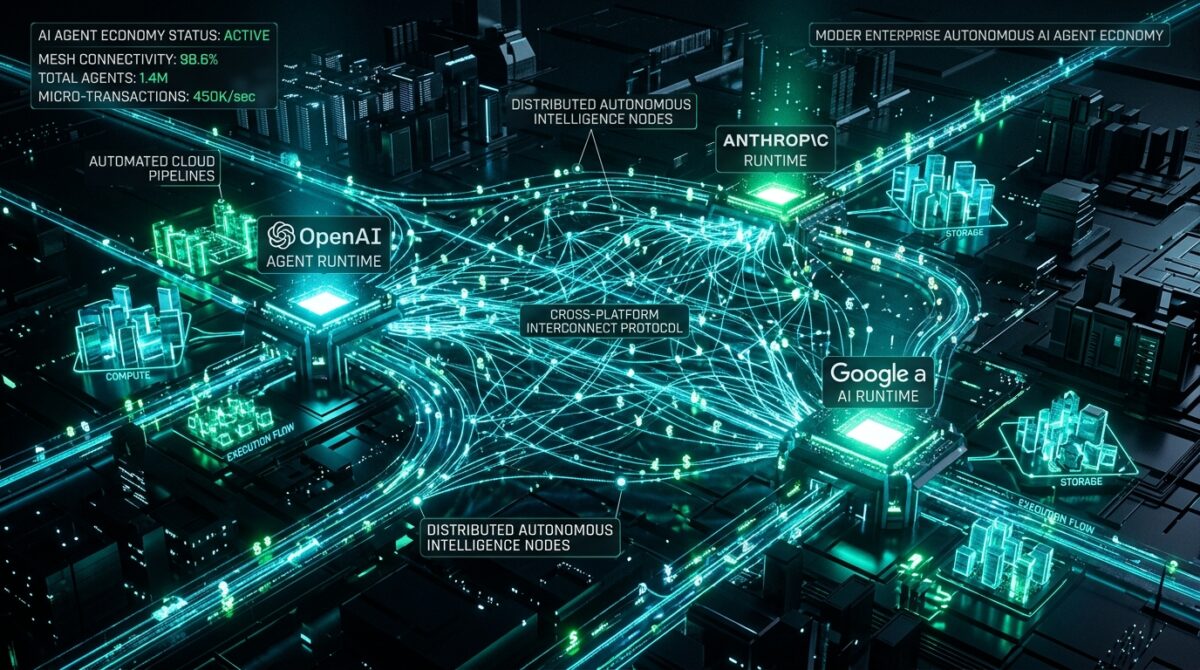
An empirical analysis of Model Context Protocol (MCP) in 2026 enterprise clusters, exposing latency bottlenecks, serialization lockouts, and deadlocks.

Architecting resilient multi-agent runtimes for enterprise automation using the Model Context Protocol (MCP) and deterministic sub-agent execution pipelines.
Executive Systems Architecture • Autonomous Commerce & Protocols As isolated foundation models give way to distributed swarms of specialized autonomous